
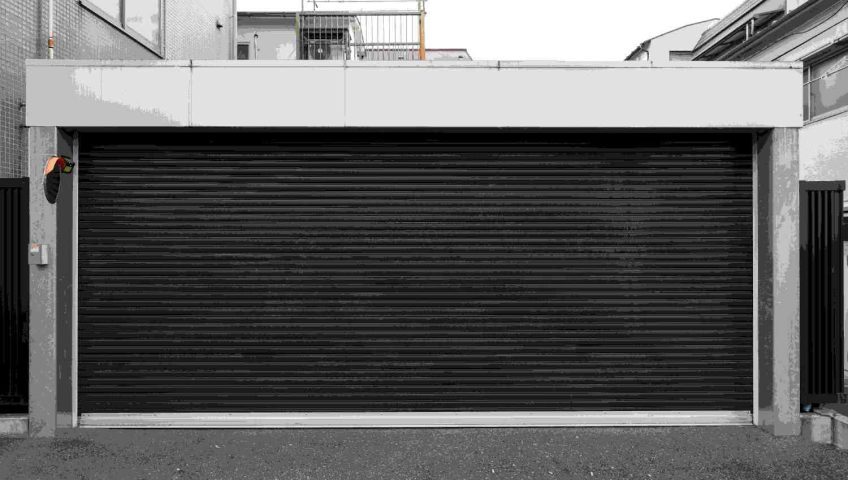
If your garage door is making some additional noise, looking a little slower or stiffer to open, or isn’t as smooth as it used to be, you’re not imagining it. Garage doors are one of the most heavily used mechanisms in your home, opening and closing dozens of times throughout the year, with a full-sized door on a system of springs, cables, and rollers that gradually break down.
As the average homeowner, you probably only worry about your garage door when something breaks. Routine professional maintenance is specifically focused on preventing your garage door acting up at a bad time, such as when you’re headed to work or pulling in the driveway when the temperature is already boiling.
What a tune-up actually means: Well, we’ll tell you.
Step One: A Full Visual and Functional Inspection
All good tune-ups begin with a technician “walking” the whole system, not just looking at the door. That includes inspecting the door’s tracks to see if they’re properly aligned, evaluating the springs to see if they’re corroded or if the tension’s off, checking the cables to see if they’re frayed, and balancing the door by disconnecting the opener and manually lifting it partway.
Garage doors that are not balanced put more burden on the opener motor, which reduces the motor’s lifespan and adds additional expense to future garage door repair. Therefore, detecting an imbalance early on is one of the easiest steps to reduce a future, costlier garage door fix.
Step Two: Lubrication and Hardware Adjustments
Rollers, hinges, and springs all need a little help to operate smoothly. Over the course of a few years, the older lubrication picks up a little dust and dirt as it gathers in the desert conditions, becoming a scaly, abrasive coating that causes more friction, not less. One step in the tune-up process includes removal of that sticky, abrasive coating and sealing each moving part with fresh lubricant.
Similarly, a technician will adjust and tighten hardware throughout the track and roller system. A track bracket must be adjusted so it tightens as it vibrates with everyday use; a loose bracket on a track can cause the door to come off the track or even bind up entirely.
Step Three: Spring Tension and Cable Inspection
Springs are a workhorse of the system, quite literally. Torsion or extension springs provide the power for your system and are always under tension. They take a beating and typically will last a set number of opening and closing cycles. During a tune-up, we’ll test the tension and adjust the springs as needed if your door isn’t opening and closing evenly.
Cables are no different. A damaged or worn cable poses a safety risk as well as an operational one because a broken cable under load will cause the door to fall. Spotting it before a failure is part of the benefit of maintenance.
Step Four: How Desert Climate Affects Your Garage Door
Venturing out of the Lockdown page. Situated on the north end of the Las Vegas/Henderson area, it’s a safe bet that you live with conditions that weren’t really expected when many garage door builders designed the product. The really hot summer days cause the metal parts to get hot and expand while the paint gets soft and plastic parts dry out.
That’s precisely why desert climate affects your garage door in the way that it does more so than it would in a cooler, more humid environment and why the tune-up schedule that seemed to apply in other regions might not be regular enough in your area. Routine maintenance balances out that faster wear and tear before you get a stuck door on a 110-degree day.
Step Five: A Full Report and Recommendations
The End of the Visit Should Never Mean the End of the Conversation! When the technician walks, hands down, they don’t just walk away. Make sure to follow up on things you may not have discussed immediately, as a very good technician will walk you through what they found and what they adjusted, and let you know if they see anything else that you need to start thinking about. (It could be something as simple as a spring that’s ready to give out or an opener that’s showing signs of age).
If a garage door installation is the better buy over multiple repairs, be honest about it and don’t spring it on you.
Why Routine Tune-Ups Are Worth It
A tune-up is an investment of just a fraction of the cost of an emergency repair. It will significantly lower the chances that you’ll be waiting on a door that’s frozen shut when you need it most. For homeowners who’ve had a garage door go out of alignment unexpectedly, whether grinding, grumbling, or a frozen door that can’t quite close all the way, a tune-up is one of the best ways to avoid a repeat performance.
At the moment, one of the most frugal ways to prepare for desert wear and tear prior to the summertime heat compounds an aging system’s struggling capacity is not to miss a garage door tune-up special.
If it’s been a long time since your garage door received a professional inspection, don’t hold out until it becomes a much bigger, costly fix. Book now an appointment with Lift Tech Garage Door Professionals today to have your door running smoothly, silently, and reliably through any stress the Nevada heat can dish out.
FAQs
1. How often should I have my garage door professionally tuned up?
For most homeowners in Las Vegas and Henderson, an annual tune-up is a good rule of thumb. However, if you have an older door or use it constantly throughout the day, you might want more frequent service to combat the extra wear caused by the local heat and dust.
2. How much time should I set aside for a tune-up?
Your system’s routine service typically takes about 45 minutes to one hour, depending on the age of your system and on whether it requires any adjustments or replacing any old parts.
3. Can I prevent a door replacement by maintaining my garage door system properly?
Definitely yes. Properly maintained systems have fewer chances of serious malfunctions. Regular maintenance will allow you to preserve the condition of your system and postpone expenses related to installing a new system for many years.
4. How do I know when my door system requires maintenance?
You should be aware of any grinding and squeaking noises or any uneven door movements. When the door moves slower, does not react to the opener, and feels heavier than usual, it needs to be checked by professionals.
5. Does the extreme desert heat actually impact garage door components?
It really does. The high temperatures in our area cause metal parts to expand, dry out lubricants much faster, and lead to increased dust buildup. All of these factors combine to wear down your door much quicker than it would in a milder climate.
Image by Maginfic