
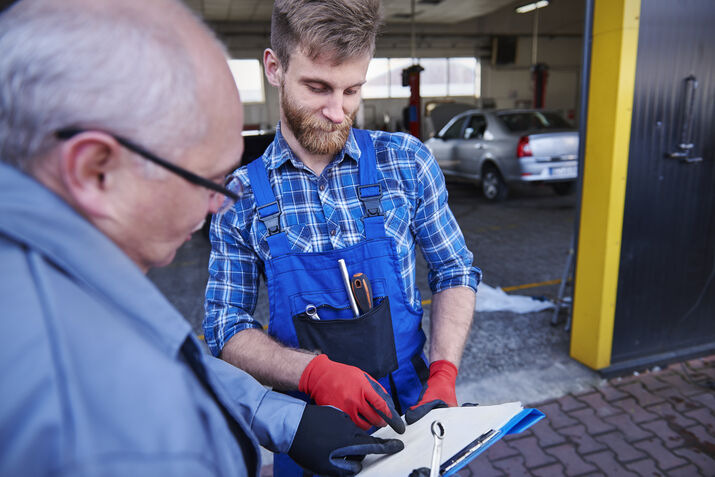
Before a garage door service appointment, the information you provide can help the technician understand the problem and prepare for the visit. You do not need to diagnose the issue yourself. Instead, focus on describing what you have noticed, when it happens, and anything that may have changed.
If you need Henderson garage door service, giving clear information before the appointment can make the initial conversation more productive and help the technician understand what to inspect.
1. Explain What the Garage Door Is Doing
Start with the symptoms you have noticed. For example, tell the technician if the door:
- Will not open or close
- Opens but stops partway
- Makes unusual sounds
- Moves unevenly
- Opens or closes more slowly than usual
- Gets stuck during operation
- Works sometimes but not every time
- Stops or reverses unexpectedly
If the door uses an automatic opener, also explain what happens when you use the remote or wall control. For example, does the opener make a sound, does the motor run, does the door move, or does the door stop or reverse?
Try to describe what happens rather than identifying the failed component yourself. Saying “the door opens halfway and then stops” is more useful than saying “the opener is broken” if you are not certain.
2. Tell Them When the Problem Started
The timing of the problem can provide useful context.
Tell the technician:
- When you first noticed the issue
- Whether it happened suddenly or gradually
- Whether the problem is getting worse
- Whether it happens every time
- Whether anything changed shortly before the problem began
For example, a door that suddenly stops working may require a different inspection from one that has gradually become noisier or slower.
3. Describe Any Unusual Sounds
Sound can be another useful detail. Tell the technician if you have noticed:
- Grinding
- Squeaking
- Clicking
- Popping
- Scraping
- Loud vibration
- Motor sounds without normal door movement
If possible, note when the sound occurs, such as while opening, closing, starting, or stopping.
You should not attempt to reproduce a potentially dangerous problem just to record a sound.
4. Mention Any Visible Damage
Look from a safe distance and tell the technician about anything you have already noticed. This could include:
- A visibly bent track
- A damaged panel
- A loose component
- A hanging cable
- Broken hardware
- Signs of impact
- Unusual gaps around the door
Do not attempt to touch, adjust, or repair potentially dangerous components yourself. Simply report what you can safely observe.
5. Tell Them About Previous Repairs
If the garage door has been repaired recently, provide that information.
Tell the technician:
- What was repaired
- Approximately when it was repaired
- Whether the same problem returned
- Whether another component was replaced
- Whether the current problem started after the previous work
Previous repair information can provide useful context during the service visit.
6. Share the Garage Door’s Basic Details
If you know them, provide basic information such as:
- Garage door type
- Approximate age of the door
- Number of garage doors
- Opener brand or model
- Any visible model or product information
You do not need to search for technical information if you do not know it. The technician can inspect the equipment during the appointment.
7. Explain What You Need From the Visit
Be clear about the purpose of the appointment. You may want:
- A problem diagnosis
- A repair estimate
- A safety inspection
- Help determining why the door is malfunctioning
- Evaluation of a damaged component
- An assessment of whether repair is practical
If you want to prepare for garage door service, having a clear idea of what you need from the visit can make the appointment more efficient.
8. Provide Photos or Video When Appropriate
A photo can sometimes help communicate a visible problem before the appointment. You might provide a picture of:
- Visible damage
- A damaged panel
- A bent track
- The opener label
- A component that appears out of position
A short video may also help demonstrate an unusual sound or movement.
However, photos and videos should supplement—not replace—a professional inspection.
9. Avoid Trying to Diagnose the Problem Yourself
One of the most useful things you can give a technician is an accurate description rather than a guessed diagnosis.
For example:
“The door starts opening, stops after a few inches, and the opener continues making a sound.”
This gives the technician useful information without assuming which component has failed. A professional can inspect the system and determine what may be causing the problem.
Quick Information Checklist
Before your appointment, you can prepare these details:
| Information | What to Provide |
| Problem | What the door is doing |
| Timing | When the problem started |
| Frequency | Whether it happens every time |
| Sounds | Any unusual noises |
| Opener | What happens when you use the controls |
| Visible damage | Anything you can safely see |
| Previous work | Recent repairs or replacements |
| Door details | Type, age, or known model |
| Photos | Images of visible issues |
| Service goal | Diagnosis, estimate, repair, or inspection |
FAQs
What should I tell a garage door technician before an appointment?
Tell them what the door is doing, when the problem started, and whether you have noticed unusual sounds or visible damage. You can also mention any recent repairs or problems with the opener.
Should I send photos to the garage door technician?
Yes, if there is visible damage, a photo can help the technician understand the issue before the appointment. You can also share a short video if it safely shows an unusual sound or movement.
Do I need to know what is wrong with my garage door?
No. You do not need to diagnose the problem yourself. Simply explain what you have noticed, such as the door stopping, moving unevenly, or making a strange sound. The technician can inspect the system and identify the cause.
Final Thoughts
You do not need to be a garage door expert before calling a technician. The most helpful information is usually a clear description of what happened, when it started, what you can safely observe, and whether the system has been repaired before.
Providing these details can help make the garage door service appointment more productive while allowing the technician to perform their own inspection and diagnosis.
Image by Magnific