
Your garage door is a major part of your home’s exterior, and like everything else exposed to the elements, it can suffer from wear and tear over time. While most people focus on mechanical issues like broken springs or cables, there’s one factor that often goes unnoticed: sun damage.
Prolonged exposure to the sun’s harmful UV rays can weaken your garage door, causing it to age faster than expected. Fortunately, recognizing the early signs of sun damage can help you protect your garage door and extend its lifespan. In this blog post, we’ll explore the 7 signs that your garage door is suffering from too much sun exposure, and what you can do to prevent further damage.
Why Sun Damage Matters for Your Garage Door
Sun damage doesn’t just affect the appearance of your garage door—it can also lead to structural issues that require costly repairs or even premature replacement. Whether your garage door is made of wood, steel, or vinyl, constant exposure to the sun can cause problems like warping, cracking, and fading.
By learning to spot these issues early, you can take steps to mitigate the damage and ensure your garage door lasts for years to come.
7 Signs Your Garage Door Has Sun Damage
Here are seven key indicators that your garage door may be suffering from sun damage. Keep an eye out for these signs, and if you spot any, take action before the problem worsens.
1. Fading or Discoloration
One of the most noticeable signs of sun damage is fading color. If your garage door appears bleached or unevenly lighter in some areas, this is a clear sign of UV damage. Darker colors are particularly prone to fading under direct sunlight, but any color can become dull over time with constant exposure.
How to address it: If you notice fading, consider applying a fresh coat of UV-resistant paint or protective coating to restore the door’s appearance and shield it from further damage.
2. Warped or Bent Panels
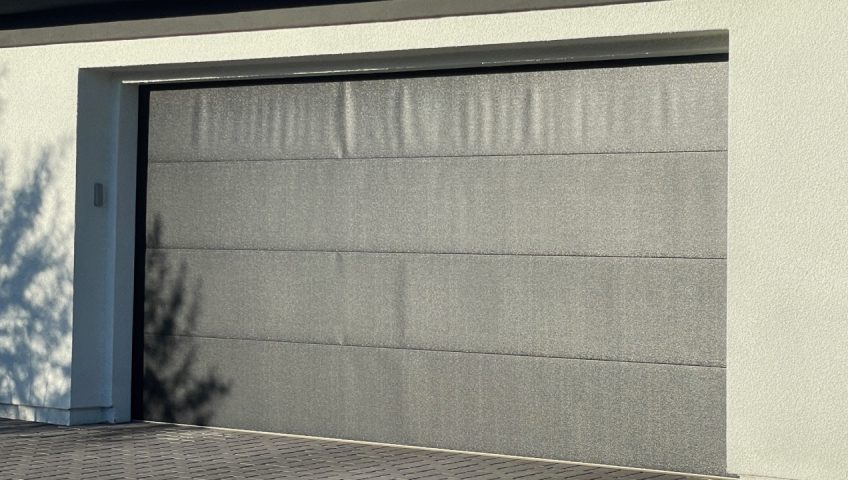
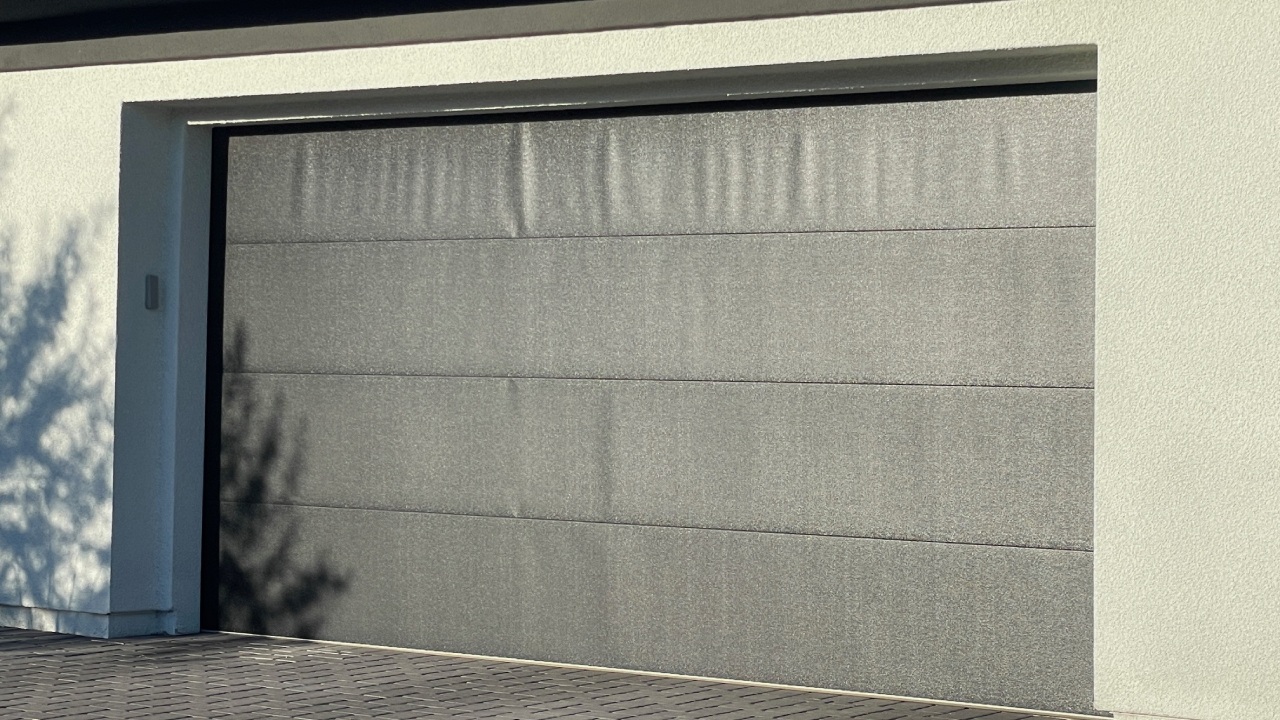
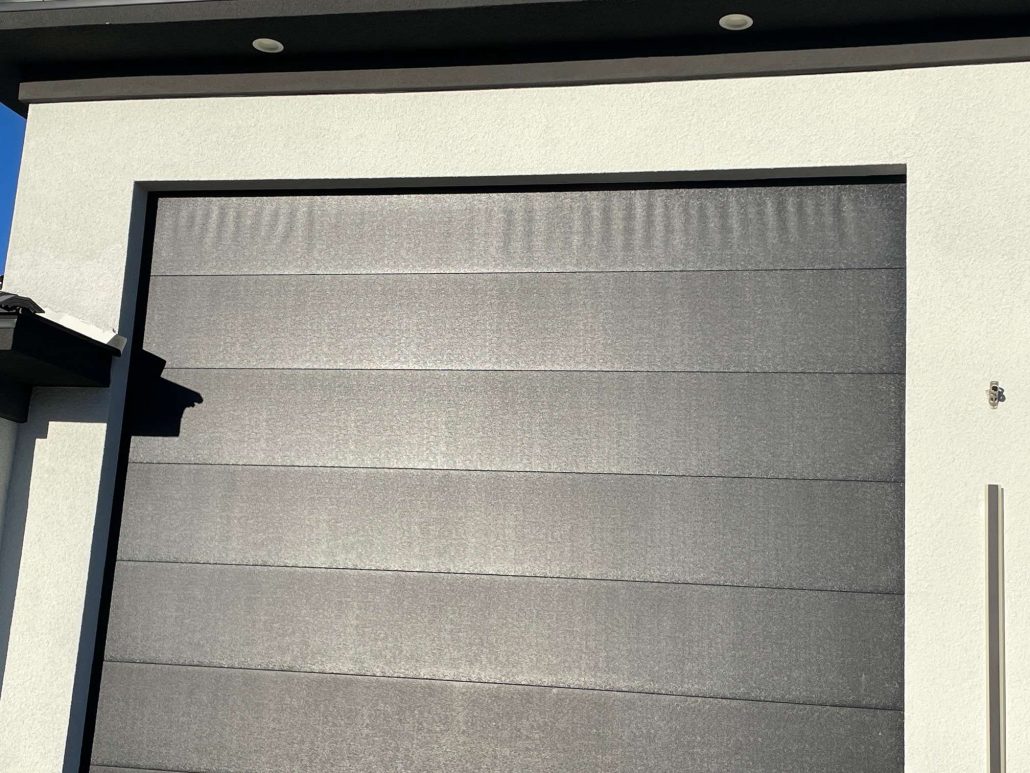
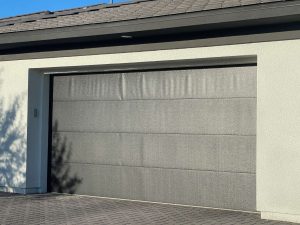
Prolonged exposure to heat can cause the materials in your garage door—especially wood or even steel —to warp or bend. Warped panels can affect the door’s functionality, making it harder to open and close and become unsightly on a project that may have been costly.
How to address it: In the below cases the only option would be to replace the damage sections with a brand that would hold up or replace the sections and change to a lighter color that is recommended by the manufacturer. If going back with the same sections. But either way a replacement would be in order.
Choosing the correct door for your paint is also a factor. Many of the popular darker colors can warp or ripple lower grade door panels. The heat transfer in our climate is enough to damage door as seen in these doors.
3. Peeling or Blistering Paint
Just like sun damage on a car, your garage door’s paint can start to peel or blister after too much exposure to sunlight. This is particularly common in doors with older paint that lacks protective additives.
How to address it: Sand down the affected areas and repaint the door with a high-quality, UV-resistant paint to prevent further peeling and protect the underlying material.
4. Brittleness or Cracking
Sun exposure can cause certain materials—especially wood and vinyl—to become brittle over time. This brittleness can lead to cracks, splits, and weakened structural integrity. Once cracks appear, they can quickly spread, leading to larger problems.
How to address it: Regularly inspect your garage door for signs of cracking or brittleness, and consider applying a protective sealant. If cracks are already present, it may be necessary to replace the damaged sections.
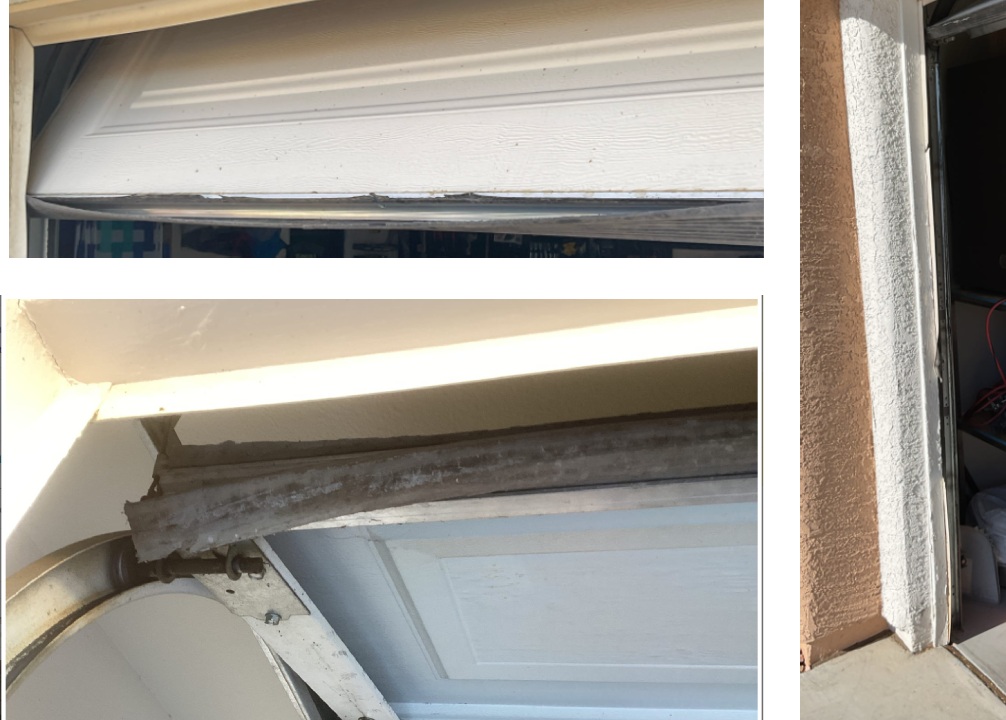
5. Deteriorating Weatherseals / Vinyl stop
The seals around your garage door play a crucial role in insulation and weatherproofing. Unfortunately, heat and sunlight can cause these seals to Shrink, dry out, crack, or break apart, compromising your door’s ability to keep out the elements.
How to address it: Check the rubber seals regularly for signs of deterioration. If they’re damaged, replace them to ensure your garage door remains properly insulated and weather-resistant.
6. Increased Surface Temperature
If you notice that your garage door feels hot to the touch, more so than usual, this could indicate that the door is absorbing a lot of heat. Over time, this heat absorption can damage the materials, making the door more susceptible to other forms of sun damage.
How to address it: Consider installing a reflective coating or using UV-resistant paint to help deflect the sun’s rays and reduce the surface temperature of the door.
7. Chalking
Have you noticed a powdery residue on the surface of your garage door? This is known as “chalking,” and it’s a result of the paint or protective coating breaking down due to prolonged sun exposure. Chalking is more common in older garage doors with outdated protective finishes.
How to address it: Clean the surface of the door and consider applying a fresh coat of paint or a UV-protective sealant to prevent further chalking.
How to Prevent Sun Damage to Your Garage Door
Now that you know the signs of sun damage, it’s important to take steps to prevent it from happening in the first place. Here are a few preventative measures you can take to protect your garage door from harmful UV rays:
- Apply a UV-resistant paint or coating to shield your door from the sun.
- Consider adding a garage door awning or shade to minimize direct sunlight exposure.
- Regularly inspect your door for signs of damage and address any issues early.
By staying proactive, you can extend the lifespan of your garage door and save money on costly repairs or replacements.
Conclusion: Keep Your Garage Door Looking and Working Like New
Your garage door is an investment in your home, and protecting it from sun damage is essential to keeping it in top condition. By recognizing the signs of sun damage—like fading, warping, and peeling—you can take action early and preserve both the look and functionality of your garage door.
Regular maintenance, including applying protective coatings and inspecting for damage, will ensure that your garage door stays strong and durable for years to come. Don’t wait until it’s too late—start protecting your garage door from the sun today!
Count on Lift Tech Garage Door Professionals for reliable garage door repair and maintenance.
Check out our location map here and review it. Whether you need a quick repair or a comprehensive inspection, we are here to help. You can count on us to keep your garage door safe and secure, giving you peace of mind. In order to keep your home safe and beautiful—starting with your garage door—we take pride in it.

Residential Installer Certification:
When homeowners need service on their existing garage door or purchase a new one, they deserve knowledgeable, efficient and honest service. IDEA Technicians are industry-certified. Consumers can identify professionals who adhere to these standards consistently and reliably with IDEA Residential Installer Certification.
Book Now!