A new garage door should open smoothly, close properly, and operate safely before the installation is considered complete. Once the installer has finished, take a few minutes to check the door’s movement, opener controls, safety features, visible hardware, and weather seals.
These checks can help you spot problems early and make sure you know how to use your new garage door. They also give you an opportunity to raise any concerns with the installer before the job is signed off.
1. Test the Door’s Opening and Closing Movement
Start by operating the garage door through a few complete cycles using its normal controls. Watch how it moves and listen for anything unusual.
Check that:
- The movement is smooth: The door should travel along its tracks without catching, shaking excessively, or stopping unexpectedly.
- The door stays aligned: Watch for tilting or one side moving differently from the other.
- There are no unusual noises: Persistent grinding, scraping, or loud banging should be investigated.
- The door closes fully: Check that it reaches the closed position without leaving an unexpected gap.
- The door opens correctly: Make sure it reaches its intended position without hitting nearby objects.
Some noise is normal, but persistent scraping, severe vibration, or uneven movement may point to an installation or mechanical issue. Ask the installer to investigate rather than trying to adjust the door yourself.
2. Check the Opener and Its Controls
If your new garage door has an automatic opener, test the controls supplied with the system. Each should respond correctly, and the door should move as expected.
Check the following:
- Wall control: Make sure the wall-mounted button operates the door.
- Remote controls: Test each remote from an appropriate location.
- Keypad: If a keypad is included, check that the programmed code works.
- Manual release: Ask the installer to demonstrate how to disengage the opener and operate the door manually when necessary.
- Lights and accessories: Confirm that any included opener lights and other accessories work as expected.
If the opener struggles, stops unexpectedly, or fails to respond consistently, contact the installer. Repeatedly operating a malfunctioning system may make the problem worse.
If you want to understand how opener capacity relates to the door’s size and weight, read garage door opener horsepower for more information about choosing a suitable model.
3. Test the Safety Sensors and Automatic Reversal
Safety features are an important part of garage door installation. Before using the door normally, confirm that the sensors and reversal functions have been checked according to the manufacturer’s instructions.
Inspect the safety sensors
Most automatic residential garage door openers have photoelectric sensors near the bottom of the tracks. These sensors detect obstructions across the door opening.
Check that:
- The sensors are securely mounted.
- The lenses are clean.
- The indicator lights show the expected status.
- The sensors are aligned according to the manufacturer’s instructions.
- The system responds correctly during the recommended test.
Check the automatic reversal function
Many openers also have a contact-reversal feature designed to respond when the closing door encounters an obstruction. The installer should test this feature using the manufacturer’s prescribed method.
Never put your hand, foot, or any part of your body under a closing door to test its reversal function. If a safety test fails, stop using the automatic opener until the problem has been corrected. Do not bypass the sensors or disable safety features to keep the door working.
4. Inspect the Tracks, Rollers, and Visible Hardware
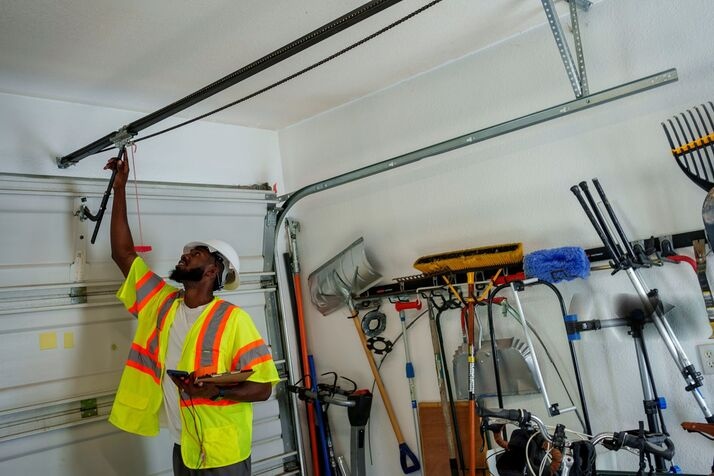
You can check the visible parts of the installation for obvious problems without adjusting any mechanical components.
Look at the following areas:
- Tracks: Check for visible damage, unusual gaps, or sections that appear out of alignment.
- Rollers: Watch to see whether they remain properly positioned during normal operation.
- Hinges and brackets: Look for missing fasteners or visibly loose components.
- Door panels: Check for scratches, dents, damage, or uneven spacing.
- Mounting points: Observe the visible opener and track supports for any obvious movement during operation.
If something looks loose, bent, or incorrectly positioned, ask the installer to check it. Do not tighten spring-related hardware or attempt to reposition tracks yourself, particularly while the door is under tension.
5. Check the Weather Seals
Weather seals help limit drafts, dust, moisture, and pest entry around the garage door. Once the door is fully closed, inspect the edges to see whether the seals sit properly against the opening.
Pay attention to:
- Bottom seal: It should make reasonably even contact with the floor.
- Side seals: Look for obvious gaps between the door and the side weatherstripping.
- Top seal: Check for visible openings along the upper edge.
- Floor contact: Notice whether an uneven floor prevents the bottom seal from making consistent contact.
Not every gap can be fixed by changing the seal. If daylight is visible around the closed door or the seal does not sit properly, ask the installer whether an adjustment or further work is needed.
6. Check the Door’s Balance and Alignment
A garage door should move evenly and remain aligned during normal operation. If it is out of balance, the opener may have to work harder than intended, putting additional strain on the system.
Watch for signs such as:
- One side moving ahead of the other.
- The door is sitting crooked when closed.
- Jerky movement or excessive shaking.
- The opener struggling to raise or lower the door.
- The door stopping or reversing unexpectedly.
Do not attempt to adjust the springs or perform a manual balance test unless the installer has explained the approved procedure and made the system safe to handle. Garage door springs store significant energy and can cause serious injury.
If you notice any of these warning signs, ask the installer to inspect the door before continuing normal use.
7. Review the Finish and Surrounding Area
A completed installation should leave you with a door that works properly and looks as expected. Take a walk around the garage opening and check the finished work.
Look for:
- Damage to the door’s finish or panels.
- Uneven trim or visible gaps around the frame.
- Marks or damage to the surrounding walls.
- Correct placement of the wall control, sensors, and opener components.
- Enough clearance between the moving door and nearby vehicles or stored items.
- Packaging, loose hardware, and installation debris that still need to be removed.
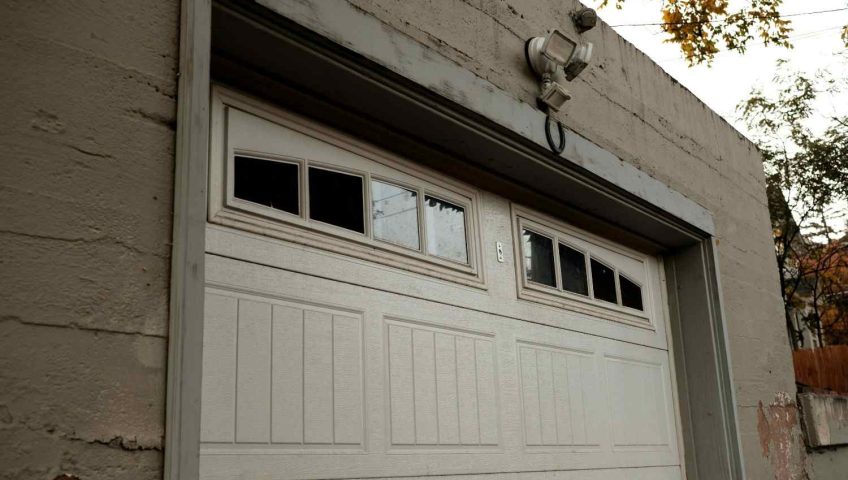
If your door includes decorative windows, insulation, or a special finish, compare these features with your order or installation agreement. Photograph any damage or incomplete work and report it to the installer before signing off, where applicable.
8. Collect the Warranty and Operating Instructions
Before the installer leaves, make sure you have the information needed to operate and maintain the new door. Keeping these documents handy can also help if you need service later.
Ask for:
- The garage door and opener warranty documents.
- The manufacturer’s operating and maintenance manuals.
- Instructions for using the manual release.
- Details about remote controls, keypads, and smart features.
- Recommended inspection and maintenance intervals.
- Contact information for installation questions or service requests.
Check whether the door, opener, accessories, labor, and installation work have separate warranty terms. Coverage varies by manufacturer and agreement, so review the actual documents rather than assuming every component has the same protection.
You can also use a garage door installation checklist to review the preparation and planning steps involved in the wider installation process.
9. Know When to Contact a Garage Door Professional
Contact the installer if the door does not operate smoothly, a safety feature fails, visible hardware appears loose, or the finished work differs from what was agreed upon.
Arrange a professional inspection if you notice:
- A door that will not open or close fully.
- A failed safety sensor or automatic-reversal test.
- A crooked door or signs of a spring problem.
- Persistent grinding, scraping, or loud banging.
- Damaged panels, tracks, cables, or brackets.
- Gaps that prevent the door from closing properly.
Do not continue using an automatic opener if its safety system is not working correctly. If the door appears unstable or has damaged springs or cables, keep people away from the area and avoid operating it.
Lift Tech Garage Door Professionals can help homeowners in Henderson, Nevada, with garage door installation concerns. When requesting an inspection, explain what you have noticed and when it happens. You can also share photos of visible issues if it is safe to take them.
For more information about installation-related assistance, visit the Henderson garage door installation service page.
Key Takeaways
- Operate the door through complete opening and closing cycles and watch for unusual movement or noise.
- Test the opener, wall control, remotes, and any included accessories.
- Confirm that the safety sensors and automatic reversal function have been tested correctly.
- Inspect the visible hardware, door finish, alignment, and weather seals.
- Never adjust garage door springs, cables, or other high-tension components yourself.
- Keep the warranty, operating manual, and maintenance instructions for future reference.
- Report failed safety tests, visible damage, or incomplete work to the installer promptly.
Checking your new garage door after installation helps you catch potential issues before they become more serious. Take time to test the controls, review the safety features, inspect the finished work, and ask questions about anything that doesn’t seem right. If the door fails a safety check or shows signs of a mechanical problem, have it inspected before continuing to use it.
Frequently Asked Questions
1. What should I check after garage door installation?
Test the door’s movement, opener controls, safety sensors, and remote controls. Also inspect the visible hardware, weather seals, and overall finish.
2. How do I know if my newly installed garage door is working properly?
The door should open and close smoothly without unusual noises, uneven movement, or unexpected stops. If you notice any issues, ask the installer to inspect the system.
3. Should I test the garage door’s safety features after installation?
Yes. Ask the installer to test the safety sensors and automatic-reversal function according to the manufacturer’s instructions. Do not use the automatic opener normally if a safety test fails.
4. What should I do if my new garage door has a problem?
Contact the installer and explain what you have noticed. Avoid adjusting springs, cables, or other high-tension components yourself, as they can cause serious injuries.