
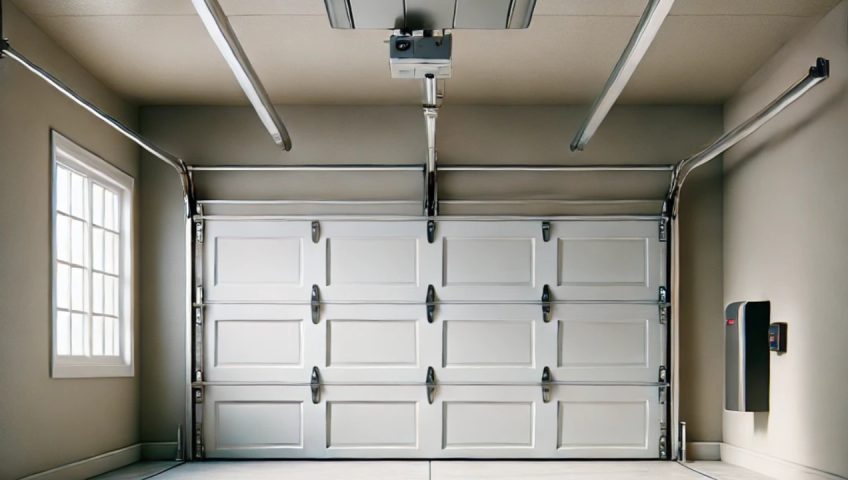

Your garage door is one of those unsung heroes in your home, providing convenience and security day in and day out. But when things go awry, it can feel like you’ve taken a step back into the Stone Age. If your garage door isn’t functioning properly, there’s a good chance that faulty sensors are to blame. These little devices play a crucial role in ensuring safety and efficiency every time you open or close your door.
Understanding how to troubleshoot garage door sensors can save you time, money, and frustration. Whether you’re experiencing frequent stops mid-cycle or an outright refusal to budge, we’ve got the insights you need to get everything running smoothly again. Let’s delve into diagnosing issues with your garage door sensors so you can regain control over this essential part of your daily routine!
Understanding the Role of Garage Door Sensors
Garage door sensors are small but mighty components that ensure safe operation. Typically located near the bottom of your garage door tracks, these devices work by sending and receiving infrared signals. When something interrupts this beam—like a car or even a curious pet—the sensors signal the door to stop or reverse.
Their primary function is safety. Without functioning sensors, your garage door could pose major hazards during operation. Imagine it closing on an object or person without any warning; that’s why these sensors are essential.
In addition to safety, they also enhance convenience. Sensors make sure you never accidentally crush items left in the way when opening or closing your door. Recognizing their importance helps you appreciate why keeping them in good working order is crucial for every homeowner relying on this technology daily.
How to Diagnose Misalignment in Your Garage Door Sensors
Detecting misalignment in your garage door sensors is crucial for smooth operation. Start by visually inspecting the sensors on either side of the door. They should face each other directly, with no obstruction.
Next, check for dirt or debris that might obstruct the sensor’s path. Clean both lenses gently with a soft cloth to ensure they can communicate effectively.
You can also perform a simple test. Close the garage door and wave an object in front of one sensor. If it doesn’t reverse automatically, there’s likely an alignment issue.
Adjust the mounting brackets if necessary. Loosen them slightly and reposition them until both sensors align perfectly at the same height.
After adjustments, retest by closing the door again while waving an object before one sensor. This method confirms whether you’ve successfully diagnosed and fixed any misalignment issues affecting your garage door sensors’ functionality.
Troubleshooting and Repairing Faulty Garage Door Sensors
When facing issues with garage door sensors, start by checking the alignment. Sensors need to face each other directly. If they’re misaligned, even slightly, the door may not function properly.
Next, inspect for any obstructions. Dirt or debris can block the sensor’s path and prevent it from sending signals effectively. A simple cleaning might resolve the issue.
If problems persist after these checks, test the wiring. Look for frayed or damaged wires that could disrupt power flow. It’s essential to ensure connections are secure and free of corrosion.
Should all else fail, replacement may be necessary. New sensors are often available as standalone units and are relatively simple to install yourself with basic tools.
For reliable and safe garage door repair and maintenance, contact Lift Tech Garage Door Professionals.
Check out our location map here and review it. Whether you need a quick repair or a comprehensive inspection, we’re here to help. We are dedicated to making sure your garage door runs smoothly and safely, giving you peace of mind. We take pride in helping you keep your home safe and beautiful—starting with your garage door.

Residential Installer Certification:
Homeowners deserve knowledgeable, efficient and honest service when purchasing a new garage door or needing service on an existing door. We offer industry-certified IDEA Technicians. With IDEA Residential Installer Certification, consumers are able to identify professionals who consistently and reliably adhere to these standards.
Book Now!